
Journal Prompts for Evening Reflection
Last updated: October 10, 2026
Key Takeaways
- Capture the day, its meaning, and the next step in a few lines.
- The strongest evening prompts usually settle you, teach one lesson, or prep tomorrow.
- Prompts that pair facts with one next move tend to calm stress; open-ended “why” questions can intensify it.
- Pick prompts that fit the nighttime problem you keep repeating.
If your evenings blur together, the fix is not a longer routine. It is a few sharp journal prompts for evening reflection that help you close the day on purpose. This article gives you a quick answer: use three prompts, spend 5 to 10 minutes, and keep one of them focused on tomorrow. I write about reflective practice, behavior change, and plain-language self-assessment, and these evening prompts are usually most useful when they make tomorrow easier without turning night into homework.
What should I write about at night?
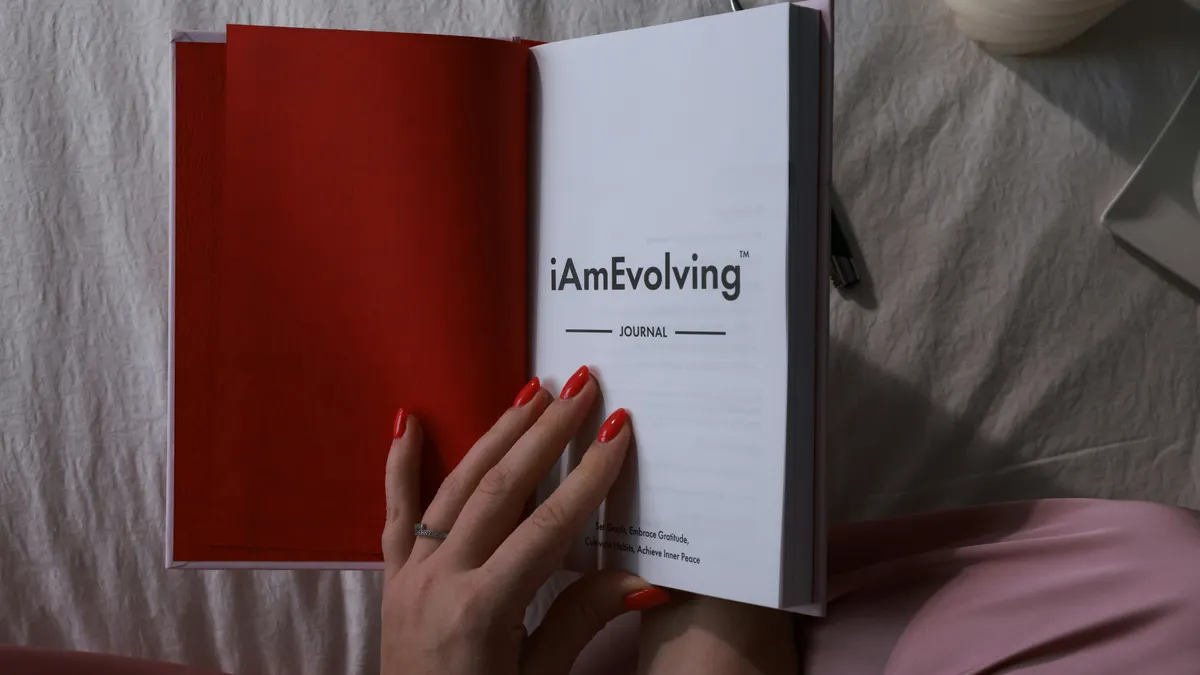
Write about what happened, what it meant, and what needs carrying forward. That is the simplest useful answer, because evening reflection works best when it helps you sort the day into three buckets: facts, feelings, and next steps. A page full of vague gratitude can feel pleasant, but it often misses the thing people actually need at 9 p.m.: a way to stop replaying the day and start closing it.
For journal prompts for evening reflection, I would use prompts that force specificity. “What drained me today?” gets a better answer than “How was my day?” “What went well?” is better when it asks for one concrete moment, not a general mood. “What do I want to remember tomorrow?” is especially useful if your mind keeps carrying unfinished threads into bed.
The mistake I see most often is treating reflection like a diary of everything. Evening prompts should not ask you to narrate your whole day in 20 minutes. They should narrow your attention. That is why short prompts beat open-ended ones for most people. A notebook, a Notes app, or a simple paper card is enough. You do not need a special journal with numbered pages to make the practice work.
If you want one rule, make it this: choose prompts that end with a decision. A tiny one counts, like “I need to leave my phone outside the bedroom” or “I will reply to that message after breakfast.”
The best prompts for evening reflection
The best prompts for evening reflection are the ones that do one job each: settle your mind, extract a lesson, or prepare tomorrow. I would not use ten prompts every night. Three to five is the sweet spot for most people, because a short set is easier to repeat and less likely to turn into self-criticism.
Here are prompts that actually pull their weight:
- What happened today that I want to remember?
- What felt heavy, and why?
- What gave me energy today?
- What did I avoid?
- What did I finish?
- What do I need less of tomorrow?
- What do I need more of tomorrow?
- What is one thing I did well today?
- What conversation am I still carrying?
- What can wait until tomorrow morning?
These prompts work because they cover the parts of the day people usually skip. “What did I avoid?” catches procrastination before it becomes a fog. “What am I still carrying?” is especially good after tense conversations. “What did I finish?” matters because a lot of people go to bed feeling behind even when they completed important work.
I would skip prompts that are too broad for tired brains, such as “Who am I becoming?” or “What does this day mean?” Those can be useful on a Sunday retreat, but at night they often produce mush. The end of the day is for clarity, not performance.
A useful version for anxious people is to pair one prompt from each category:
- one fact-based prompt: “What happened today?”
- one emotional prompt: “What felt heavy or light?”
- one forward-looking prompt: “What needs my attention tomorrow?”
That structure keeps reflection from becoming rumination.
Which prompts help with stress, and which ones make it worse?
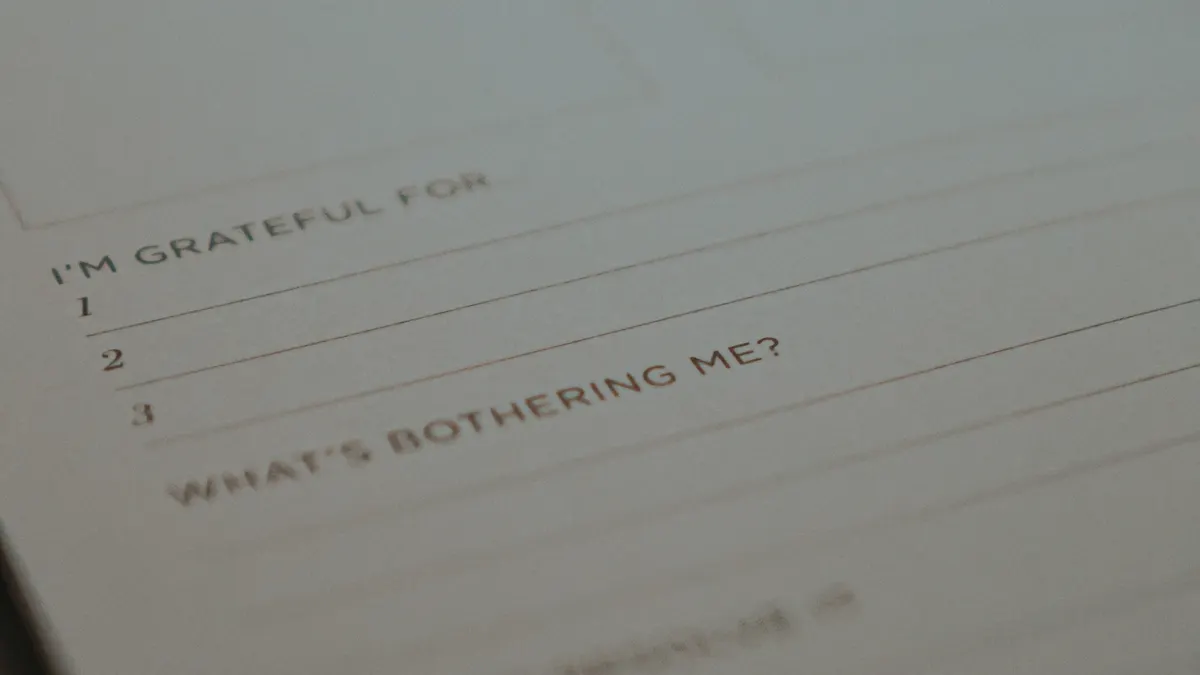
Prompts that ask for facts plus one next step help stress; prompts that only ask “Why do I feel this way?” often make it worse. That is the main dividing line. If your mind already loops at night, you do not need prompts that invite another loop. You need prompts that interrupt it.
The stress-friendly prompts are concrete and bounded. “What am I carrying into tomorrow?” works because it names the load. “What can I set down for tonight?” works because it gives the mind permission to stop. “What evidence do I have that today was not a total waste?” can also help if your inner critic gets loud. That last one sounds blunt, but blunt often works at night.
The prompts that can backfire are the ones that demand moral accounting every day: “Did I do enough?” “Was I productive?” “Did I make the right choices?” Used nightly, those questions can become a private court case. I would reserve them for occasional review, not daily use.
There is also a practical issue. If your prompt list takes 30 minutes to answer, it is too long for bedtime. A good evening practice should fit into 5 to 15 minutes. That range is short enough to repeat and long enough to surface something useful. If you need a timer, use one. A 10-minute limit can keep perfectionism from taking over.
The best stress-reduction prompt I know is simple: “What is true right now?” It pulls you back from prediction and regret. If the answer is “I am tired, and the email can wait,” that is enough.
How do I choose prompts that actually fit my life?
Choose prompts that match the problem you keep having at night. If you feel scattered, pick prompts that sort and prioritize. If you feel guilty, pick prompts that separate fact from self-attack. If you feel numb, pick prompts that ask for one real detail, not a grand insight.
Here is a practical way to build a set:
| Criteria | Facts-first prompts | Emotion-first prompts | Winner for this condition |
|---|---|---|---|
| Best for tired nights | “What happened today?” | “How did I feel?” | Facts-first |
| Best for emotional processing | “What triggered me?” | “What do I need?” | Emotion-first |
| Best for decision-making | “What needs action tomorrow?” | “What am I worried about?” | Facts-first |
| Best for self-knowledge | “What pattern showed up?” | “What mattered most?” | Emotion-first |
| Best for anxious spirals | “What is true right now?” | “What am I afraid of?” | Facts-first |
| Best for creative reflection | “What surprised me?” | “What felt alive today?” | Emotion-first |
| Best for habit change | “What did I avoid?” | “What support would help?” | Facts-first |
| Best for closure | “What can wait?” | “What can I release?” | Tie |
| Best for short routines | One-sentence prompts | Multi-part prompts | Facts-first |
I would choose facts-first prompts for most people because they are easier to answer when energy is low. Emotion-first prompts belong there too, but they work best when they are anchored to something specific. “I felt anxious when the meeting ran late” is more useful than “I felt anxious” by itself.
The biggest mistake is copying a beautiful list from the internet and trying to use all of it. That gives you variety, not results. A better move is to pick one prompt from each category and use the same set for two weeks. Repetition matters because your answers get more honest when the questions stop changing every night.
What should a simple night routine look like?
A simple night routine should take less than 15 minutes and end with the journal closed. That is the part many people miss. Reflection that never ends does not calm the mind; it keeps it alert.
I would use this structure:
- Set a timer for 10 minutes.
- Write the date.
- Answer three prompts only.
- End with one sentence about tomorrow.
- Stop writing, even if the page is not complete.
For example:
- What happened today that I want to remember?
- What felt heavy, and why?
- What do I need less of tomorrow?
- Tomorrow, I will start with the one task that matters most.
That format works because it has a beginning, middle, and close. It also keeps the practice from becoming a second job. If you want a longer session once a week, fine. But the nightly version should be light enough to survive a rough day.
A paper notebook can help some people because it reduces temptation to edit. A phone note works better for others because it is faster and easier to keep by the bed. The better tool is the one you will actually use at 10:30 p.m., not the one that looks nicest on a shelf.
One honest limitation: if your evenings are already packed, even 10 minutes may feel like too much. In that case, do not force a full page. Answer one prompt in three sentences. Consistency beats depth when the habit is new.
When should I skip journaling at night?
Skip it when writing makes you more activated instead of calmer. If your entries turn into complaint spirals, late-night planning marathons, or self-criticism loops, the problem is not lack of discipline. The prompt set is wrong for that moment.
I would also skip a full reflection session if you are exhausted, ill, or running on very little sleep. On those nights, a tiny note is enough: one line about what needs attention tomorrow and one line about what can wait. That keeps the habit alive without pushing your nervous system harder.
Another case to skip is when the act of writing becomes avoidance. If you use the journal to delay sleep, delay a difficult conversation, or dodge an actual task, the practice has crossed from reflection into escape. That is the point to shorten it or move it earlier in the evening.
People sometimes assume that “better prompts” can solve every nightly problem. They cannot. If your sleep is regularly affected by anxiety, persistent low mood, or intrusive thoughts, a journaling routine may help, but it is not a substitute for professional support. If that is your situation, talk with a qualified clinician.
Exception scenarios that change the answer
The usual advice changes in a few specific cases. If your mind is highly analytical, facts-first prompts may be too dry and leave the emotional thread untouched. In that case, one emotion prompt belongs in the set every night.
If you are recovering from burnout, a long review of the day can feel like more work. Use two prompts only: “What used energy today?” and “What can I drop tonight?” The shorter version wins because it protects recovery time.
If you are using reflection to improve a skill, such as writing, parenting, or leadership, prompts should focus on patterns, not moods alone. “What did I do that helped?” is more useful than “How did I feel?” in those cases.
If night is the worst time for your thoughts, move the practice to late afternoon. A 5 p.m. reflection can work better than a bedtime one because it leaves more distance between insight and sleep.
The Verdict: Which prompts should you use?
Choose facts-first prompts if you feel overwhelmed, tired, or prone to nighttime spirals. Choose emotion-first prompts if you already know the day’s events but need to understand what they stirred up. Neither if journaling turns into rumination, avoidance, or a sleep thief.
Quick examples you can use tonight
Start with these if you want something practical, not perfect:
- What happened today that I want to remember?
- What felt heavy, and why?
- What did I finish?
- What can wait until tomorrow?
- What is true right now?
Those five cover closure, clarity, and tomorrow’s first step. That is enough for most evenings.
FAQ
How many prompts should I answer at night?
Three is usually enough, and five is the upper end I would recommend for a bedtime routine.
Should I use the same prompts every night?
Yes, if you want the practice to feel easy and recognizable. Repetition makes answers sharper.
Is it better to write on paper or on my phone?
Paper is better for some people because it slows them down; a phone is better if speed matters. Use the one you will actually open at night.
What if I don’t know what to write?
Start with one factual prompt: “What happened today?” Then write three plain sentences, even if they feel basic.
Can evening reflection replace therapy or sleep support?
No. It can help with clarity and closure, but it is not a substitute for professional care if anxiety, depression, or sleep problems are persistent.
Drafted with AI; not yet reviewed by a person.